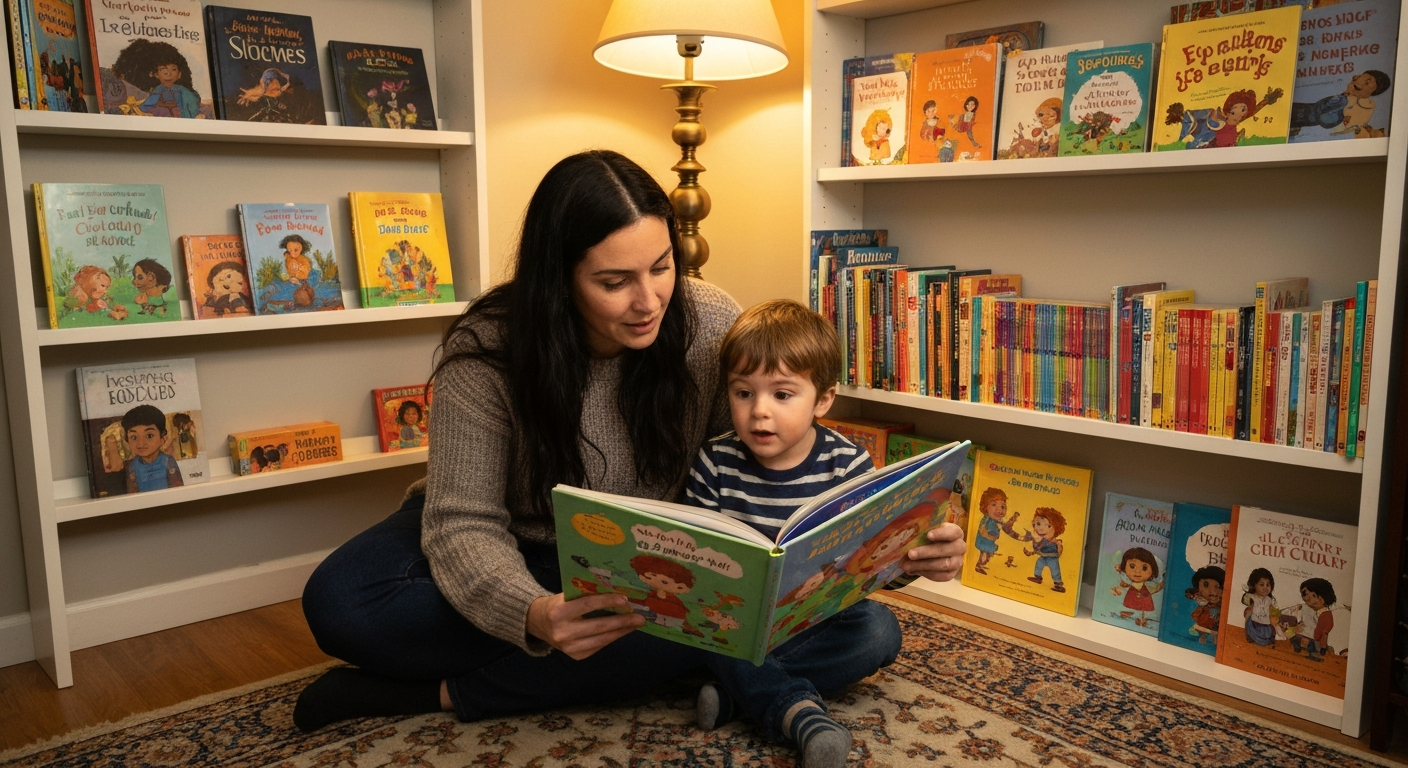
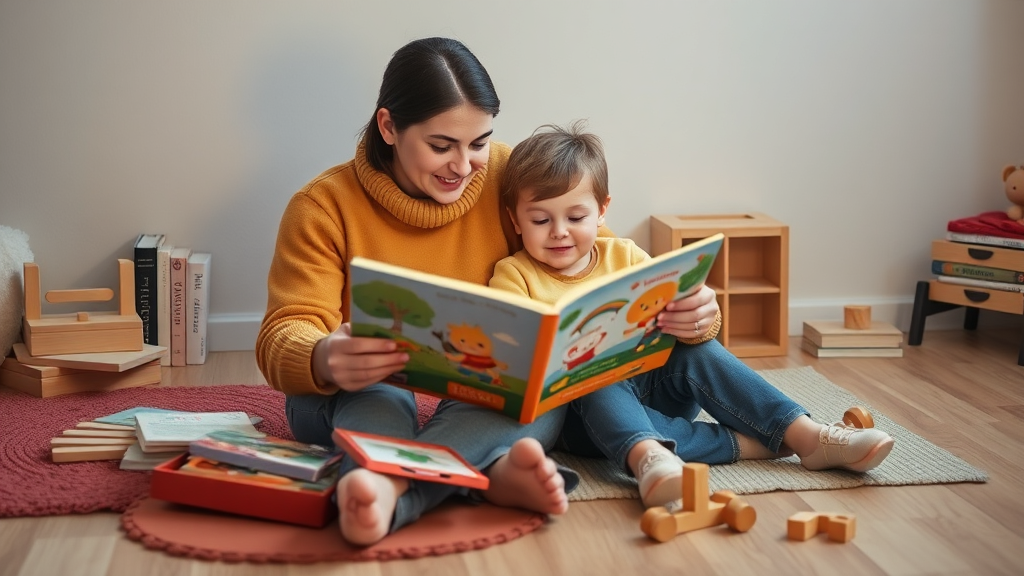
It’s bedtime, and your child eagerly hands you the same book you’ve read every night this week. Why is it that children want to hear the same stories again and again? While this might seem monotonous to parents, repetitive storytelling actually plays a vital role in cognitive and emotional development. In this article, we’ll explore the fascinating science behind this phenomenon and provide parents with insights on how to embrace repetition effectively.
Building Cognitive Strength
Repetition in storytelling supports cognitive development in young children. According to research in early childhood education, when children hear the same story repeatedly, they begin to anticipate what comes next, promoting active story participation and comprehension. This process of prediction and recognition helps strengthen neural pathways, improving memory and understanding. It’s like a mental workout!
Enhancing Vocabulary and Language Skills
Repeated exposure to the same story equips children with new vocabulary and better language skills. Familiar stories allow children to focus on understanding more complex elements of language, like sentence structure and emotional cues. Harvard psychologists suggest that through repetition, kids learn to connect words with meaning, greatly enhancing their language acquisition.
Emotional Security and Confidence
Hearing the same story provides emotional reassurance. Familiarity breeds comfort and safety, particularly important in the constantly changing world of a child. Stories with predictable outcomes help reduce anxiety by providing a stable narrative structure. In turn, this bolsters confidence as children feel secure in their knowledge of the story.
Fostering a Sense of Achievement
Children gain a sense of accomplishment from recognizing story patterns and predicting outcomes. As they become more familiar with the story, they might start to correct you or dramatize their favorite parts. This feeling of mastery boosts self-esteem and encourages them to explore more complex stories in the future.
Nurturing Imagination and Creativity
While it may seem that the same story offers little opportunity for creativity, the opposite is true. Each recounting allows children to explore the narrative’s depth from different angles, enriching their imaginative play and encouraging creative retellings through toys or drawings. Thus, repetition fosters not only familiarity but also creativity and imaginative exploration.
Tips for Leveraging Repetition
Here are some practical ways parents can make the most of repetition in storytelling:
-
Enhance Interactivity: Encourage your child to participate by asking them to predict what happens next or how they feel about the characters.
-
Introduce Variations: Keep the story fresh by introducing small changes to the plot or asking your child how they might change the story’s ending.
-
Link to Real-Life Experiences: Connect story themes with daily life to enrich understanding and ensure relatability.
-
Use Expressive Storytelling: Bring the story to life with varying voice tones and expressions, which keep the experience engaging and fun.
Conclusion
Repetition is a natural and essential part of a child’s development. By understanding the cognitive and emotional benefits of repetitive storytelling, parents can transform storytime into an enriching, engaging, and educational experience. Next time your child requests the same bedtime story for the umpteenth time, you can rest assured knowing that it’s not just a routine—it’s helping them grow.