
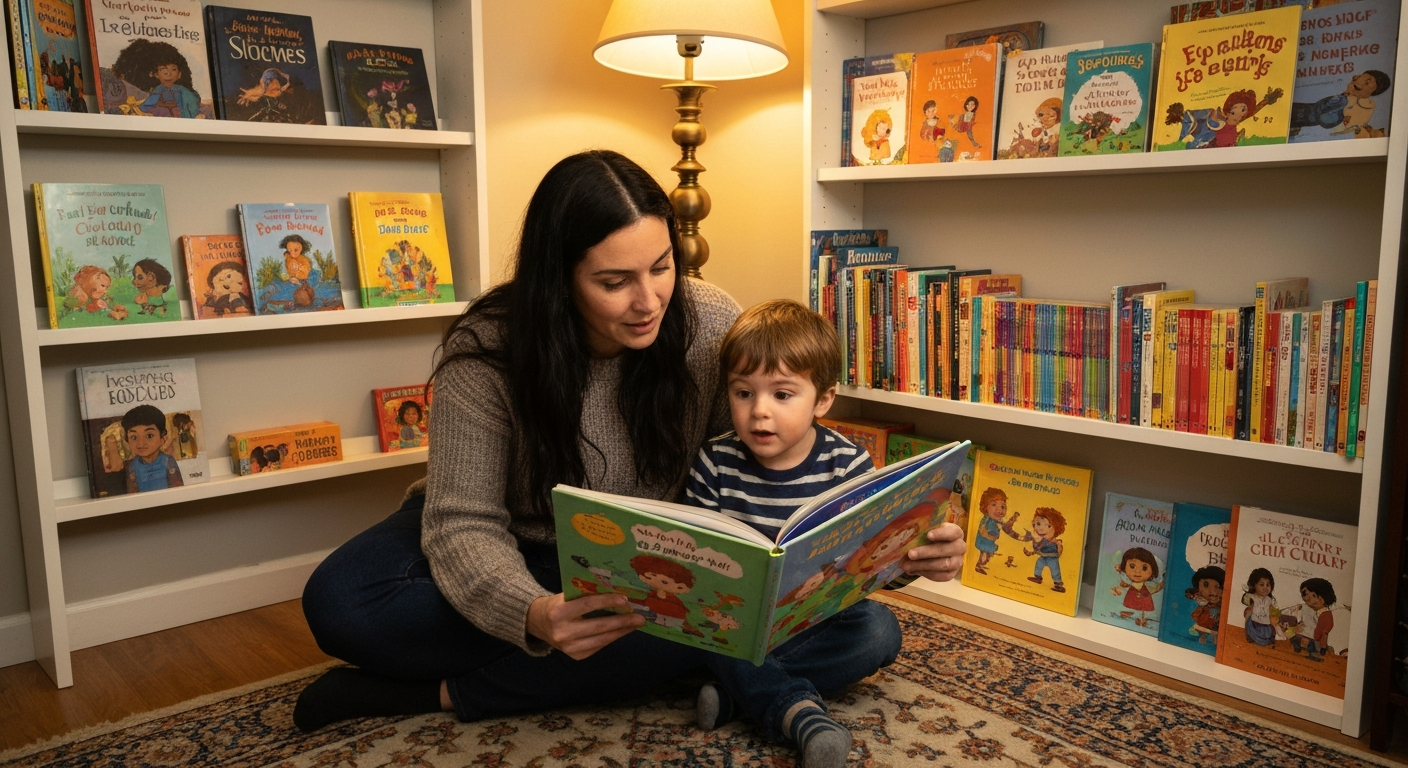
The Importance of Storybook Reading
In today’s fast-paced digital world, many parents find themselves in a constant balancing act between screen time and book time for their children.
Reading is not just a mundane activity; it is a magical journey that fosters a child’s imagination, builds language skills, and strengthens parent-child bonds. But what do parents truly prioritize when engaging in storybook reading with their little ones?
Building an Emotional Connection
One of the primary reasons parents prioritize storybook reading is the emotional connection it nurtures between them and their children. Storytime provides a moment of closeness in a busy day, a pause where imagination and reality gently intertwine.
Tip: Establish a cozy reading nook stocked with your child’s favorite books. Make it a daily ritual to spend at least 15 minutes reading together.
Encouraging Language Development
Books are powerful tools for language development. They introduce children to new words and worlds, expanding their vocabulary and comprehension skills.
Parents prioritize books that offer rich language without being overwhelming. They often look for stories that their children can relate to, helping them grasp complex concepts through relatable narratives.
Tip: Choose books that introduce new vocabulary within the context of a story. Discuss these new words and ask your child to use them in sentences.
Fostering a Love for Reading
Parents aim to instill a lifelong love of reading in their children. By prioritizing engaging, diverse, and age-appropriate stories, they cultivate an environment where reading is seen as an enjoyable activity rather than a chore.
Tip: Allow your child to lead. Give them the autonomy to choose books that interest them, even if it means reading “The Very Hungry Caterpillar” for the thousandth time.
Teaching Life Lessons
Storybooks are more than just tales; they are lessons wrapped in words. Parents often select books that subtly teach values such as kindness, empathy, and resilience—qualities that children can carry into their own lives.
Tip: After reading a story, engage your child in a discussion about the story’s moral. Ask open-ended questions to encourage critical thinking.
Conclusion
Reading time is more than turning pages with your child. It is about building connections, fostering love for literature, and laying foundations for a bright future. By understanding and prioritizing what matters during storybook reading, parents can significantly impact their child’s development and well-being.
While every family may approach reading differently, the shared goal is the same: nurturing happy, curious, and thoughtful readers.